
Ever wondered how you can watch TV shows and movies right over the internet, without a big old satellite dish or a mess of cables? That's where IPTV comes in. It's basically TV delivered through your internet connection, and it's changing how we all watch stuff. But what exactly powers all this? It all comes down to specialized computers called IPTV servers. Let's break down what these IPTV servers are and how they make your streaming experience happen.
Understanding IPTV Servers
So, what exactly are we talking about when we mention IPTV servers? It's not as complicated as it might sound. Think of it as the backbone for delivering television content, but instead of using those old antennas or satellite dishes, it uses the internet. This whole setup is what we call Internet Protocol Television, or IPTV for short. It's a way to get TV channels and shows to your screen using the same kind of network that brings you emails and lets you browse websites. The core idea is sending video data in small packets over an IP network.

What Is Internet Protocol Television?
IPTV is basically TV delivered over the internet. Instead of relying on traditional broadcast methods like cable or satellite, it uses internet protocols. This means you can watch live TV, catch up on shows you missed, or even pick something to watch whenever you want, all from any device that's connected to the internet. It's a pretty big shift from how we used to watch TV. You don't need a special antenna or a decoder box in the old sense; your internet connection does the heavy lifting. This method is becoming more common, with many understanding internet TV providers offering various services.
The Role Of Servers In IPTV Delivery
Servers are the workhorses in this whole IPTV system. They're where the content is stored and managed. When you decide to watch something, whether it's a live game or a movie from a library, your request goes to these servers. They then break down the video into tiny data packets and send them over the internet to your device. The quality of your viewing experience really depends on how good these servers are and how well they're managed. For anyone interested in setting up a streaming service, understanding server capabilities is key.
IPTV Versus Traditional Television
The main difference between IPTV and traditional TV is the delivery method. Traditional TV uses radio waves or cables that are specifically for TV signals. IPTV, on the other hand, uses the internet. This difference allows for more flexibility. With IPTV, you often get features like pausing live TV, rewinding, or accessing a library of content on demand. Traditional TV usually just broadcasts what's scheduled at a specific time. Managing all these different streams and ensuring they reach viewers smoothly is a big part of managing IPTV streams.
The shift to IPTV means content providers need robust infrastructure. This includes not just storage for on-demand content but also the network capacity to handle live broadcasts efficiently. It's a complex operation that requires careful planning and execution, especially when setting up an IPTV broadcast.
Here's a quick look at how they stack up:
Feature | IPTV | Traditional TV (Cable/Satellite) |
|---|---|---|
Delivery Method | Internet Protocol (IP) Network | Coaxial Cable, Radio Waves, Satellite |
Content Access | Live, On-Demand, Time-Shifted | Primarily Live Broadcasts |
Interactivity | High (Pause, Rewind, VOD) | Limited |
Device Flexibility | Smart TVs, Computers, Mobiles, Boxes | Primarily TV Sets |
Understanding these differences helps appreciate the technology behind IPTV broadcast technology and what makes it distinct. It's all about how the signal gets from the source to your screen, and with IPTV, that path is the internet, which opens up a lot of possibilities for both viewers and IPTV service provider technology developers. Figuring out what is an IPTV stream source is the first step in grasping the whole picture.
How IPTV Servers Function
So, how does all this IPTV streaming work, anyway? It's not quite like flipping through channels on your old TV. Instead, think of it more like browsing the internet. The core of understanding internet protocol television is realizing it uses IP networks – basically, the same infrastructure that powers the internet – to send video and audio content directly to your device. This is a big shift from traditional broadcasting.
Data Packet Transmission Over IP Networks
When you decide to watch something, your request zips off over the internet. The IPTV service's server then breaks down that video content into tiny pieces called data packets. These packets travel across the IP network, much like any other data you send or receive online. They're reassembled at your end, allowing you to watch your show. This method is key to how IPTV streaming works.
Content Storage and On-Demand Access
Unlike live TV that just broadcasts and forgets, IPTV servers store a lot of content. This means you can often pick what you want to watch and when. You're not tied to a schedule. Your request goes to the server, which then sends the right packets your way. It's a pretty neat system for getting you the shows you want, when you want them.
The Importance of Managed Networks
Here's a bit of a technical detail, but it's important for understanding IPTV service explained: IPTV often relies on managed networks. This means the network infrastructure is controlled by the service provider. Why does this matter? It helps keep things stable and reduces issues like packet loss or delays. A managed network can handle sending the same video stream to many users at once (multicast), which is more efficient than sending individual streams to everyone. This is a big difference compared to some other internet streaming services.
The whole process boils down to sending digital information in small chunks over the internet. Your device asks for content, the server chops it up, sends it, and your device puts it back together so you can watch. It's a constant back-and-forth, but it happens so fast you usually don't even notice.
Here's a quick look at the general flow:
User Request: You select a channel or video on your device.
Server Response: The IPTV server receives your request.
Packetization: The server breaks the video into data packets.
Transmission: Packets travel over the IP network to your device.
Reassembly & Playback: Your device reassembles the packets and plays the video.
IPTV Server Architecture Models
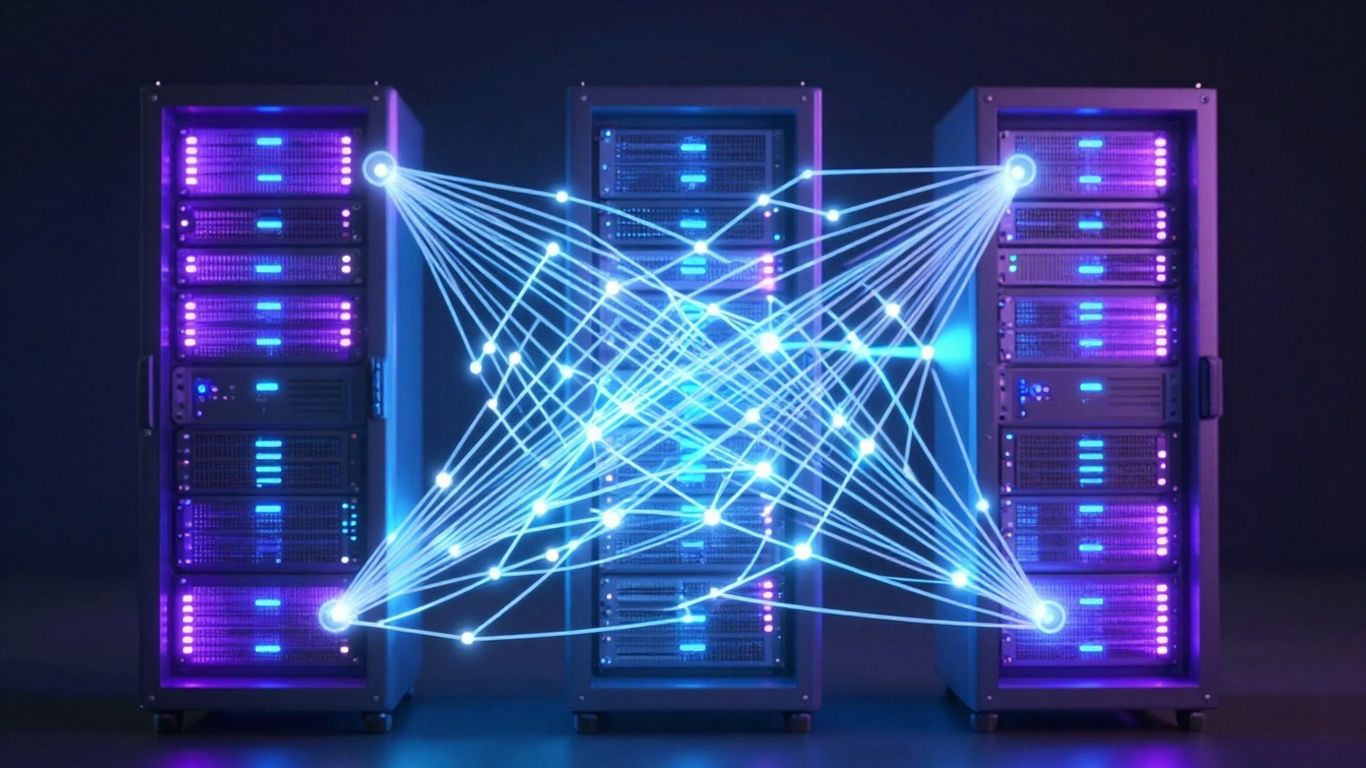
When we talk about understanding internet TV infrastructure, the way IPTV servers are set up makes a big difference in how smoothly everything runs. Think of it like building a house; you need a solid plan for where everything goes. There are a few main ways IPTV systems are put together, and each has its own pros and cons.
Centralized Server Architecture
This is probably the simplest setup. Imagine all your TV shows and movies stored in one big digital warehouse. That's basically a centralized architecture. All the content lives on a single, main server or a cluster of servers in one location. When you want to watch something, your request goes to this central hub, and the content is sent back to you. It's easier to manage because everything is in one place, which can be good for smaller services or those just starting out. However, if that one central location has a problem, the whole service can go down. Plus, if you have viewers spread all over the world, requests might take longer to get there and back, potentially slowing things down.
Distributed Server Architecture
Now, a distributed architecture is like having multiple warehouses spread out in different cities. Instead of one central point, the content is stored on servers in various locations. This means if you're in New York and want to watch a show, you'll likely get it from a server closer to you, not one all the way in California. This makes things faster for viewers because the data doesn't have to travel as far. It's also more reliable; if one server goes offline, others can pick up the slack. This model is better for larger services with a wide audience.
Content Delivery Networks (CDNs)
CDNs are a bit like a super-powered version of distributed architecture. They aren't just about storing content; they're specifically designed to get that content to you as quickly as possible. A CDN is a network of servers spread across many geographic locations. They work by caching (storing copies of) popular content closer to where people are watching. So, when you request a video, it's served from a CDN server that's nearby, reducing the distance the data needs to travel. This is super important for live streaming and on-demand video because it minimizes delays and buffering, giving you a much better viewing experience. Many large IPTV providers rely heavily on CDNs to handle their massive amounts of traffic and keep viewers happy.
The choice between these architectures isn't just about where the data lives; it's about speed, reliability, and how well the system can handle lots of people watching at once. A well-planned architecture is key to a good IPTV experience.
Choosing The Right IPTV Hosting
Picking the right place to host your IPTV service is a big deal. It's not just about finding a cheap option; it's about making sure your viewers have a good time watching. If your servers can't keep up, people will get frustrated with buffering and dropped streams, and they'll just go somewhere else. You really need to think about what makes a good host for streaming.
Server Reliability For Streaming
When you're looking for the best IPTV hosting solutions, reliability is king. You want servers that are up and running almost all the time. Downtime means lost viewers and lost revenue. Look for providers that offer high uptime guarantees, usually 99.9% or higher. This means they have backup systems in place and know how to keep things running smoothly. Think of it like a power company; you expect the lights to stay on, and IPTV viewers expect their streams to stay on too.
Bandwidth And Network Connections
Bandwidth is basically the highway for your video data. The more bandwidth you have, the more data can travel at once, leading to smoother streams. For IPTV, you need a lot of bandwidth, especially if you're planning to stream in high definition or offer many channels. A good hosting provider will offer generous bandwidth limits or even unmetered options. Also, consider the network connections. A provider with multiple network connections and peering agreements can route traffic more efficiently, reducing delays and improving the overall viewing experience. It's not just about how much data you can send, but how fast and reliably you can send it.
Scalability For Future Growth
Your IPTV service might start small, but you probably want it to grow. That's where scalability comes in. Your hosting solution should be able to grow with your user base. This means you should be able to easily upgrade your server resources – like CPU, RAM, and storage – as demand increases. Some providers offer managed scaling, where they can automatically adjust resources based on traffic. This way, you're not caught off guard when your service suddenly becomes popular. It's smart to plan for success.
Choosing a hosting provider is a foundational step for any IPTV service. A poor choice here can lead to a cascade of technical issues that directly impact the viewer's experience. It's worth investing time and resources into finding a partner that understands the demands of live streaming and can support your service's growth and stability.
Here are some key factors to consider:
Uptime Guarantees: Look for providers with a strong track record and clear uptime commitments.
Network Infrastructure: Investigate their data center locations, network redundancy, and peering arrangements.
Support Availability: 24/7 technical support is vital for resolving issues quickly.
Scalability Options: Can you easily add more resources as your audience grows?
Pricing Structure: Understand the costs associated with bandwidth, storage, and any additional services.
When you're comparing different options, it's a good idea to check out reviews and rankings of IPTV services. This can give you a clearer picture of what real users are experiencing with various providers.
Key Components Of An IPTV System
Content Sources and Encoding
So, you want to get TV content to people over the internet, right? Well, it all starts with the actual shows and channels. These are your content sources. Think live TV feeds from broadcasters, pre-recorded movies and series for video-on-demand (VoD), or even user-generated stuff. But you can't just send raw video over the internet; it's too big. That's where encoding comes in. Encoding takes that raw video and audio and compresses it into a smaller, more manageable digital format. This process is super important because it balances file size with picture and sound quality. If you compress too much, everything looks blocky and sounds bad. If you don't compress enough, the files are huge and will clog up the network.
Here's a quick look at what happens:
Live Broadcasts: Signals from satellites or local antennas are captured.
Video-on-Demand (VoD) Libraries: Movies, shows, and other pre-recorded content are stored digitally.
Encoding Process: Raw video/audio is converted into a digital stream (like H.264 or HEVC) that's ready for internet transmission.
Streaming Servers and Distribution
Once the content is encoded and ready to go, it needs to be stored and sent out. This is where streaming servers and distribution networks do their thing. Streaming servers are the workhorses that hold all your encoded content and dish it out to viewers when they ask for it. For live TV, these servers manage the constant flow of data. For VoD, they serve up individual files. But just having servers isn't enough, especially if you have a lot of viewers. You need a way to get that content to them efficiently, no matter where they are. That's where distribution comes in. This often involves a network of servers spread out geographically, sometimes called a Content Delivery Network (CDN). Instead of everyone trying to pull content from one single server, viewers connect to the server closest to them, which makes everything faster and smoother.
The goal here is to make sure that when someone clicks 'play,' the video starts quickly and keeps playing without annoying pauses, even if thousands of other people are watching at the same time.
End-User Requirements For IPTV
Now, what does the person watching TV need on their end? It's not as complicated as setting up a broadcast station, but there are a few key things. First and foremost, you need a solid internet connection. IPTV runs over the internet, so if your internet is slow or unreliable, your TV experience will be too. We're talking about buffering, low-quality video, and maybe even dropped connections. Beyond that, you need a device that can actually play the IPTV stream. This could be a smart TV with an IPTV app built-in, a dedicated IPTV box (like an Android box or a specialized receiver), a computer, or even a smartphone or tablet.
Here's a quick checklist for viewers:
Reliable Internet: A stable, reasonably fast internet connection is a must. Fiber optic or good cable broadband is ideal.
Compatible Device: A smart TV, streaming box, computer, or mobile device capable of running IPTV apps or software.
IPTV Service Subscription: Access to the actual content, usually through a subscription to an IPTV provider.
IPTV Server Performance And Quality
When you're watching your favorite shows via IPTV, the last thing you want is for things to get choppy or freeze up. That's where server performance and the overall quality of the stream really come into play. It's not just about having the content; it's about how smoothly it gets to your screen.
Minimizing Packet Loss And Latency
Think of data traveling over the internet like cars on a highway. Packet loss is like cars getting lost or crashing on the way, and latency is the delay it takes for those cars to reach their destination. For IPTV, both are bad news. High packet loss means chunks of your video might just disappear, leading to glitches or a completely broken picture. High latency means a noticeable delay between when something happens on screen and when you actually see it, which is a real bummer for live events.
Restart your router: Sometimes a simple reboot clears up network issues causing packet loss.
Check your internet speed: Make sure your connection is fast enough for streaming. If it's borderline, try lowering the video quality in your IPTV app.
Use a wired connection: If possible, plugging your streaming device directly into your router with an Ethernet cable can be way more stable than Wi-Fi.
Reduce network traffic: If other people or devices are hogging your internet bandwidth, it can impact your stream. Try to limit other heavy internet use while watching.
The journey of video data from the server to your TV is a complex one, broken down into tiny packets. If too many of these packets get lost or take too long to arrive, the viewing experience suffers. It's a constant battle to keep that data highway clear and fast.
Ensuring High-Quality Streaming
High-quality streaming means clear pictures, good sound, and no annoying interruptions. This depends heavily on the server's ability to send data efficiently and your network's ability to receive it without issues. Server hardware, network infrastructure, and the way content is encoded all contribute to the final quality you see.
Here's what impacts stream quality:
Server Load: If an IPTV server is overloaded with too many requests, it can slow down its response time, leading to buffering.
Bandwidth: Both the server provider and your own internet connection need enough bandwidth to handle high-definition or 4K streams.
Content Encoding: How the video is compressed before being sent out matters. Efficient encoding means better quality with less data.
Network Congestion: Even with a good server and internet plan, if the path between them is clogged, quality will drop.
The Impact Of Server Choice On User Experience
Choosing the right hosting for your IPTV service is a big deal. If you pick a cheap, unreliable server, your viewers are going to notice. They'll deal with buffering, channels not loading, or the app crashing. This leads to frustration and, likely, them looking for a different provider. A good server, on the other hand, means a smooth, enjoyable experience that keeps people coming back. It's really about making sure the technology behind the scenes works so well that the viewer doesn't even have to think about it.
Factor | Poor Server Choice Impact | Good Server Choice Impact |
|---|---|---|
Buffering | Frequent and long buffering periods | Minimal to no buffering |
Channel Access | Channels fail to load or are slow | Channels load quickly and reliably |
Stream Stability | Frequent stream interruptions | Consistent, uninterrupted viewing |
Video Quality | Lower quality, pixelation, artifacts | High-definition, clear picture and sound |
Wrapping It Up
So, there you have it. IPTV is basically TV delivered over the internet, a big change from the old cable and satellite days. It needs a solid internet connection and some fancy tech behind the scenes, which can be a bit tricky for the companies running it. But for us watching? It means way more choices, cool features like pausing shows, and usually a much better picture quality. Starting an IPTV service might sound like a lot, but with so many people wanting to watch TV this way, it looks like a pretty good business to get into.